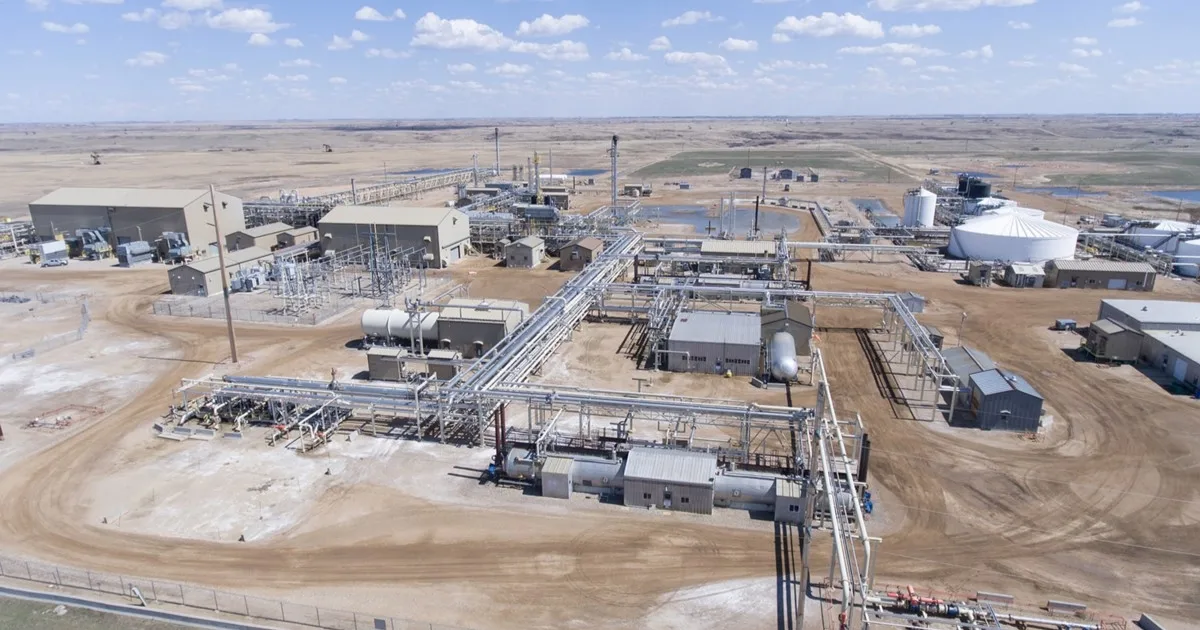







Three screens from a live maintenance cycle: the O&M console, the optimization pass, and the approvals.


1–2 / 3
A downed substation, a failing line, a corroded transformer. Each failure in the energy grid costs millions in repairs, lost service, and penalties, and it endangers the public at the moment it happens. Reactive maintenance, which waits for a failure before it acts, cannot keep up with an aging asset base. Outages climb. Safety reviews get harder. Regulators ask why the asset that failed was not caught earlier.
Predictive maintenance solves this with data. Sensors, SCADA feeds, and inspection records already exist on most energy networks. The missing piece is the model that reads them all together and schedules the right crew to the right asset before the failure happens. Manually integrating these technologies takes several months and specialized expertise. Shakudo's platform reduces this to days, and the first risk scores land on the dashboard in the first week.
Shakudo deploys a sovereign AI maintenance scheduler that predicts which assets will fail, when they will fail, and which crews to send. Maintenance shifts from a fixed calendar to a risk-based plan. Crews go to the assets most likely to fail, in the order the models rank them, and the schedule re-prioritizes as new sensor data arrives. Unplanned outages drop, maintenance spend tightens, and compliance reporting pulls from the same data the models already use.
Because the AI runs entirely on your own infrastructure, it can read the SCADA, sensor, and asset data that cannot leave the control center. That is what makes this possible in the first place. Most cloud maintenance platforms need your operational data to leave the grid, and for a regulated utility it often cannot. The platform ingests telemetry through a streaming pipeline, trains XGBoost models on historical failures, and scores every asset on a continuous failure risk. Ray runs the load and weather simulations that stress the network model, so the risk score reflects the conditions the grid will actually face. Dagster orchestrates the maintenance workflows, so a high-risk score becomes a work order with the right crew assigned. The deployment takes days, and the AI is yours, fully owned from model to memory.
Asset management, reliability, and operations teams at utilities, transmission and distribution companies, and energy infrastructure operators that must keep the lights on and the regulators satisfied on a fixed budget. The core users are asset managers and reliability engineers, supported by the data team that maintains the pipelines.
A calendar treats every transformer the same, whether it is healthy or failing. The AI scores each asset on a continuous failure risk and schedules crews by risk order. Maintenance spend follows the assets that need it, and healthy assets stop getting unnecessary visits, which frees crew time for the work that matters.
Yes. The platform runs as sovereign AI on your own infrastructure, so it reads the SCADA, sensor, and asset data that cannot leave the control center. Apache Kafka carries that telemetry into the pipeline in real time, and the model trains on it without a copy leaving the grid.
Shakudo deploys the platform in days. Manually integrating the same components takes several months and specialized expertise. The first risk scores appear on the dashboard within the first week, and the maintenance schedule adapts from there, one retraining cycle at a time.
For energy infrastructure, that means the failing transformer is found before it fails. Book a demo and see AI-driven preventive scheduling cut unplanned outages and tighten maintenance spend.
Shakudo transforms energy infrastructure management by enabling AI-driven scheduling of preventive maintenance. This solution integrates advanced analytics with real-time operational data to optimize maintenance timing, predict potential failures, and extend equipment lifespan. By providing a scalable platform for deploying and managing these sophisticated AI tools, Shakudo empowers energy companies to significantly improve infrastructure reliability, reduce downtime, and optimize maintenance costs while ensuring regulatory compliance.










"What drew me in is simple. When developers ship production-ready code this quickly, how can I have environments spun up fast enough? Shakudo is how we close that gap."


"Shakudo does not just provide the platform. It is a real partnership. They are always there to help and execute our vision faster and the right way. It is like a co-team working together to achieve our goals."